What are you looking for?
What are you looking for?
- How do I set up a “clothes closet” or “community closet” ministry?
- What are the different operating models for a clothing ministry?
- How do I staff, supply, and sustain a clothes closet long-term?
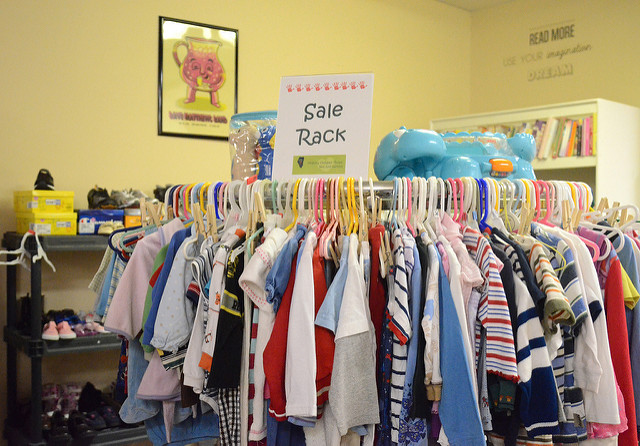
A “clothes closet” or “community closet” is a variation on the thrift store that focuses on clothing. Donated clothing comes in and goes out at little or no cost to those in need. This kind of outreach is a natural fit for a food pantry, as providing food and clothing meets two basic human needs — and the infrastructure you already have for one often supports the other.
If you’re running a food bank, food pantry, or church-based outreach, adding a clothes closet can deepen your impact without requiring an entirely new operation. Many of your existing volunteers, donors, and community partners already understand the mission. Clothing is simply another way to meet people where they are.
Three Operating Models
There’s no single right way to run a clothes closet. The best model depends on your mission, your community’s needs, and your capacity. Here are three approaches that work:
1. The Needs-Based Model
This model meets people where they’re at financially. During a brief intake conversation, staff or volunteers determine whether the client can pay. Those who cannot are allowed to “shop” for a set number of items at no cost. Those who can pay are charged a nominal flat rate — $5 for a grocery bag of clothes is common.
This approach preserves dignity by giving everyone the same shopping experience. The person choosing a winter coat doesn’t need to identify themselves as unable to pay in front of other shoppers. The intake happens privately, and the shopping floor looks the same for everyone.
2. The Thrift Pricing Model
Made popular by Goodwill Industries, this model prices each item individually for sale at a greatly reduced price. Items typically range from less than $1 to $10 depending on condition and type. This approach generates modest revenue that can be reinvested into your ministry.
The thrift model works well when you have enough volume to justify the sorting, pricing, and display work it requires. It also attracts a broader customer base — not just those in immediate need but thrift shoppers, vintage hunters, and bargain seekers. That broader foot traffic creates awareness for your other programs.
3. The Wholesale Partnership Model
A third option is to partner with organizations that purchase clothing by weight for redistribution — often to mission fields in Africa, Central America, or disaster relief zones. Companies like these will pay a flat rate per pound for clothing that isn’t likely to sell locally.
This model is especially useful for items that don’t meet your quality standards for direct distribution. Instead of landfilling damaged or out-of-season clothing, you’re turning it into revenue and extending its useful life. Many clothes closets combine this model with one of the first two — selling or giving away the best items and wholesaling the rest.
Why a Clothes Closet Makes Strategic Sense
A clothes closet does something elegant: it takes an available resource (old clothes that people want to get rid of) and turns it into either material for ministry or funding for your existing programs.
Consider the math. According to the EPA, Americans throw away roughly 11.3 million tons of textile waste annually. Your community has closets full of perfectly wearable clothing that people would gladly donate if someone made it easy. A clothes closet gives them a reason and a place.
For food banks and pantries specifically, a clothes closet creates a “second touch” with clients. Someone who comes in for food assistance and leaves with a warm coat for their child has experienced your organization as more than a transaction. That deeper relationship builds the kind of community trust that sustains your mission long-term.
From a fundraising perspective, a clothes closet also creates compelling storytelling material. “We fed 500 families this month” is powerful. “We fed 500 families and clothed 200 children for the school year” is even more so. Donors respond to breadth of impact, and a clothes closet gives you that breadth with relatively modest additional investment.
What You’ll Need
For the clothes closet model to work, you’ll need several things in place before you open the doors.
Clothing Supply
The number one thing you’ll need is a steady supply of donated clothing. This means running clothing drives — and doing them well.
You have two basic approaches to collection, and the smartest operators use both:
-
Permanent drop-off location. Set up a clearly marked donation bin or room at your facility. This is convenient for people cleaning out closets on their own schedule. Make sure it’s accessible, well-lit, and clearly signed. A donation bin that looks abandoned will attract trash, not clothes.
-
Seasonal push drives. Designate one or two months per year as your big clothing drive season — back-to-school (August) and winter coat season (October-November) work well. These focused campaigns create urgency and give donors a clear reason to act now.
Promote both channels through your social media, your church bulletin, your email list, and your network of partner organizations. Make the ask specific: “We need children’s winter coats in sizes 4-12” generates more response than “We accept clothing donations.”
A tip from food bank operations: If you’re already running a food pantry, you know that supply fluctuates seasonally. Clothing donations follow the same pattern — heavy after New Year’s (resolutions and closet cleanouts), light in summer. Plan your storage and distribution calendar accordingly.
Space
You’ll be amazed how much space a clothes closet requires — and you’ll need to plan for it upfront.
The best clothes closets operate like a small retail store. People should be able to browse what’s available, check sizes, and choose for themselves. This isn’t a charity handout line; it’s a shopping experience. That distinction matters for client dignity.
Plan for these zones:
- Receiving area — where donations arrive, get sorted, and staged for processing
- Laundry/cleaning area — adjacent to receiving if possible
- Storage — for seasonal rotation and overflow
- Shopping floor — organized by type (men’s, women’s, children’s) and then by size
- Fitting room — even a simple curtained area makes a significant difference
- Checkout — if you’re using the thrift pricing model
If you’re co-locating with a food pantry, plan carefully. The last thing you want is clothing racks blocking your food distribution flow during peak hours. Many successful operations schedule clothes closet hours on different days than food distribution, or use adjacent rooms.
Laundry Capacity
Every piece of donated clothing needs to be laundered before it reaches a client. This is non-negotiable — it’s a health issue, a dignity issue, and a quality control step.
You’ll need commercial or heavy-duty washers and dryers, detergent in bulk, and a system for handling items that don’t survive the wash. Budget for utility costs — running multiple loads per day adds to your water and electric bill.
Some clothes closets partner with local laundromats for donated machine time or discounted rates. Others recruit a “laundry team” of volunteers who wash donated items at home. Both work, but the in-house model gives you more quality control.
Volunteers
Clothing will need to be sorted, laundered, folded or hung, sized, and displayed before it reaches the person who takes it home. That’s a lot of hands-on work, and volunteers are your best bet.
Key volunteer roles for a clothes closet:
- Sorters — reviewing donations for quality, separating by type
- Laundry crew — washing, drying, folding
- Floor team — hanging, organizing, restocking the shopping area
- Greeters/stylists — helping clients find what they need (this role matters more than you might think)
- Intake/checkout — if using the needs-based or thrift model
A food bank that already has a volunteer program has a built-in advantage here. Many of your existing volunteers will be happy to take on clothes closet shifts, especially if the work is different enough from food sorting to feel fresh.
Volunteer management tip: Create specific, named shifts rather than asking for general “clothes closet help.” “Tuesday Morning Sorting Crew (9am-12pm)” recruits better than “help needed.” People commit to a defined role more readily than an open-ended ask.
Display Supplies
Hangers, racks, shelving, bins, size dividers, and signage. You need the right equipment to present clothing in a neat, organized, and attractive way.
This is where it pays to think like a retail store. Clothes thrown into bins look like a garage sale. Clothes hung by size on organized racks look like a store. The same item, displayed two different ways, communicates two very different messages to the person shopping.
Sources for display equipment:
– Retail stores going out of business (rack liquidation sales)
– Church members who own or manage retail businesses
– Donated fixtures from department store renovations
– Commercial fixture suppliers (invest in durable wire racks)
Accounting and Compliance
If you’re selling clothing, you need to handle money properly. This means a cash register or point-of-sale system, a process for making change, and compliance with your state’s tax requirements.
I’m not qualified to advise you on tax law — and the rules vary significantly by state and by your organization’s tax-exempt status. What I can tell you is: get this right from the beginning. Consult a competent tax attorney or accountant before you open. Retroactively fixing sales tax issues is far more expensive than setting up correctly on day one.
Even if you’re giving clothing away at no cost, you’ll want basic inventory tracking. Knowing how many items you distribute, to how many clients, in what categories, gives you the data you need for grant applications, annual reports, and donor communications.
Advertising and Outreach
People won’t know about your clothes closet unless you tell them — and you need to tell them in two directions.
Outreach to donors: Communicate the ongoing need for clothing donations. Be specific about what you need most (children’s shoes, professional interview attire, winter coats). Show the impact of previous donations. Make giving easy by providing clear drop-off hours and locations.
Outreach to clients: Make sure the people who need your services know they exist. Partner with other social service agencies, schools, churches, and community organizations to spread the word. Many potential clients won’t come to a “clothes closet” but will respond to “free professional clothing for job interviews” or “back-to-school clothing for kids.”
Use your social media accounts, but don’t stop there. Flyers at the laundromat, the community health center, and the public library reach people who may not be in your online audience.
Sustaining the Ministry Long-Term
Starting a clothes closet generates excitement. Sustaining one requires systems.
Build these habits from the beginning:
- Track your numbers. Items received, items distributed, clients served, volunteer hours. This data fuels your fundraising and your grant applications.
- Rotate seasonally. Store off-season clothing and rotate your floor. A rack of heavy coats in July communicates disorganization.
- Set quality standards. Not everything donated is worth distributing. Stained, torn, or heavily worn items should be directed to the wholesale channel or recycled. Your clients deserve the same quality you’d expect for yourself.
- Invest in your volunteers. Thank them, train them, give them ownership. The clothes closet volunteer coordinator is one of your most important roles.
- Tell your story. A clothes closet generates some of the most compelling stories in your organization. The child who got new school clothes. The job seeker who walked into an interview looking sharp. Capture these stories (with permission) and share them with your donors.
A well-run clothes closet becomes a cornerstone of community trust — the kind of trust that sustains not just the closet itself, but every other program you operate.
Looking for more articles about charitable enterprises? Try these:
- What are Charitable Enterprises?
- What do I need to run a silent auction?
- How do I run a raffle?
- What is a rummage sale? How do I run one?
- What is product marketing fundraising?
- Can you raise money with service projects?
Check out The Fundraiser’s Playbook for a full list of fundraising articles.